The 31st Session of the United Nations Climate Change Conference (COP31) began in Antalya with a global agenda focused on combating climate change, sustainability, and the conservation of natural resources.
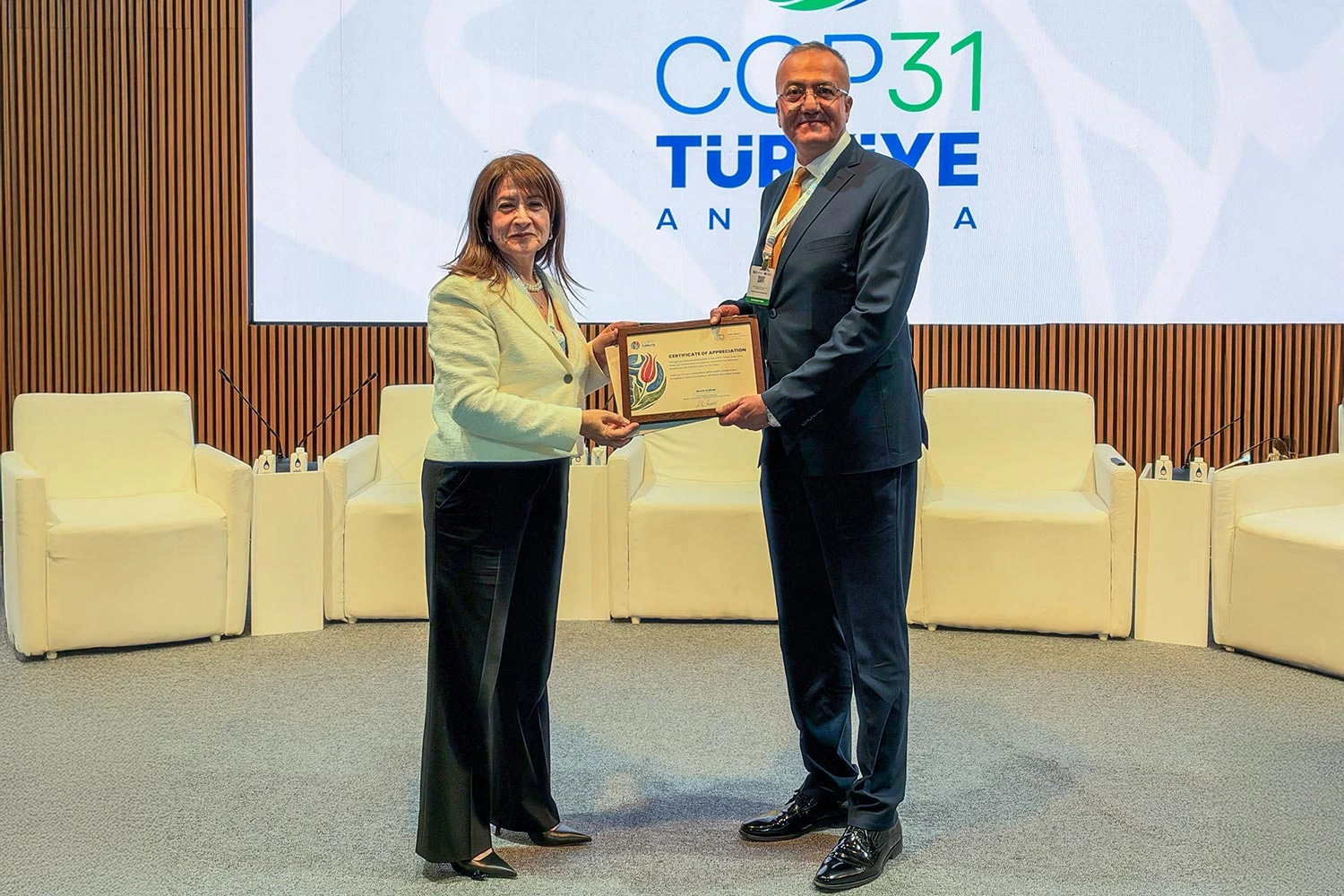
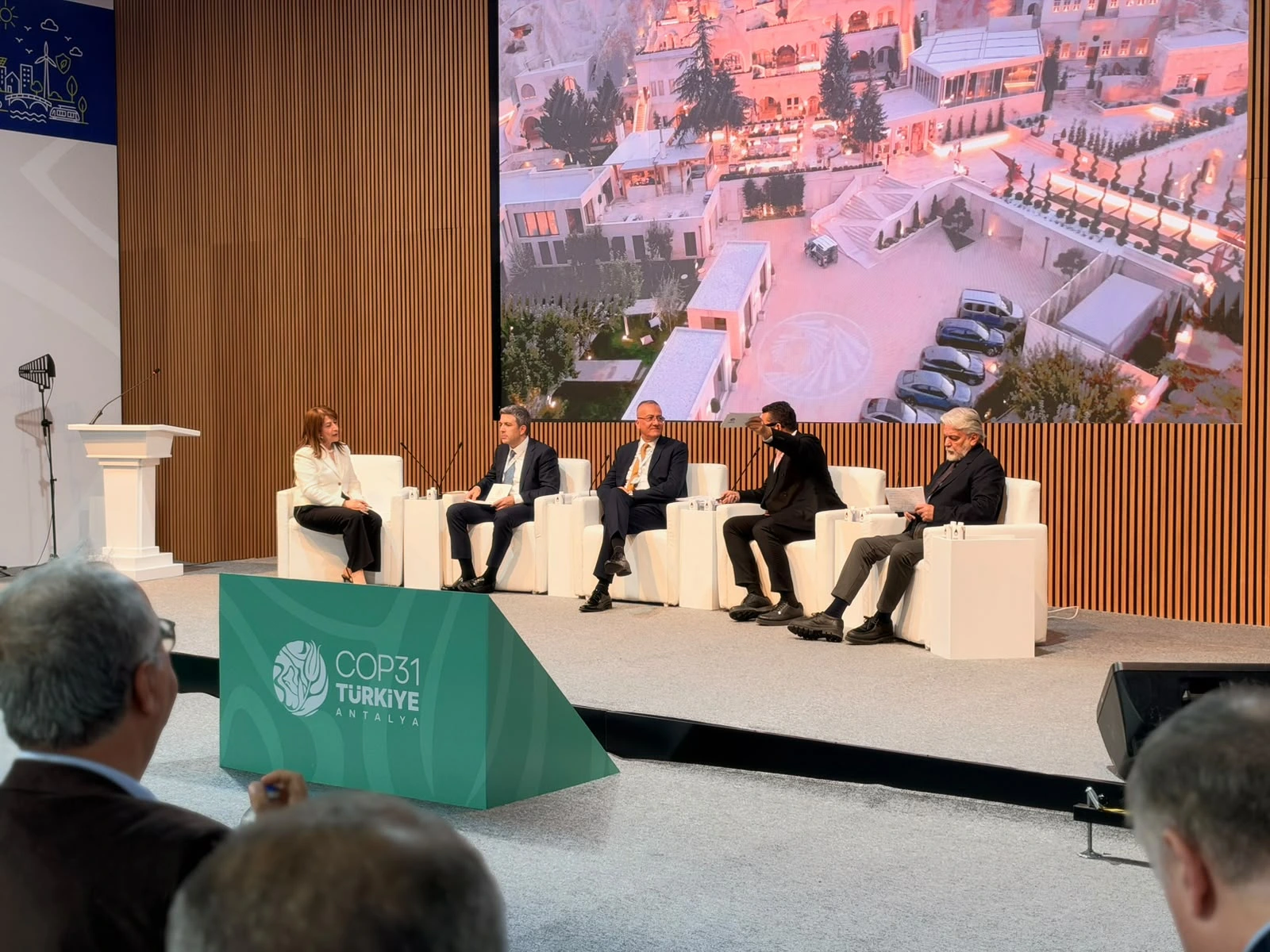
Our Rector Prof. Dr. Hasan Ali Karasar participated in the panel titled “Cappadocia Model: Sustainable Tourism, Gastronomy and Cultural Heritage in the Age of Climate Crisis” held within the scope of the conference.
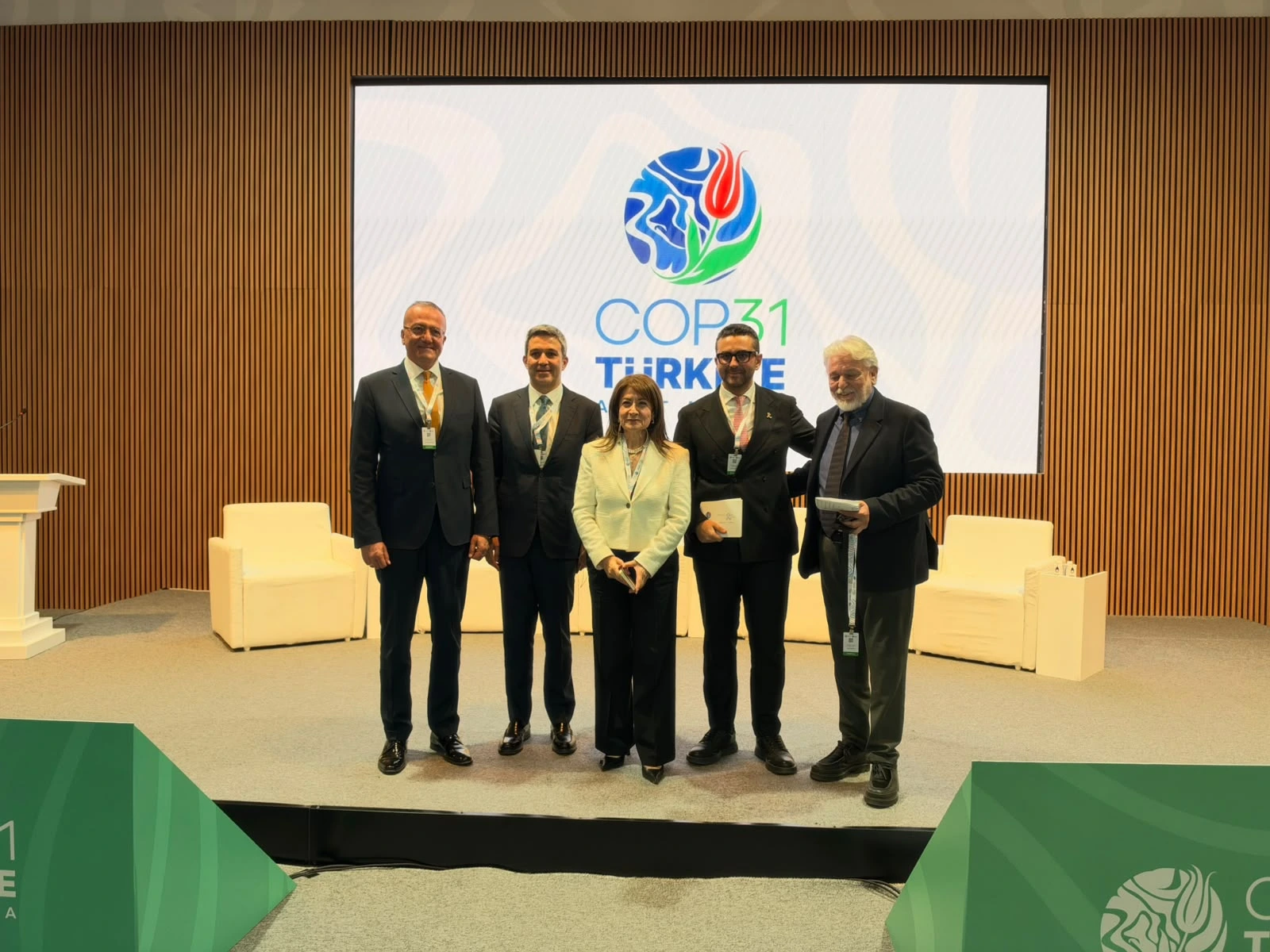
The panel moderated by Marketing Türkiye Editor-in-Chief Günseli Özen featured our Rector Prof. Dr. Hasan Ali Karasar as well as Cappadocia Area President Aydın Cem Aslanbay, Avantgarde Refined Cappadocia Tourism Investor and Operator İsmet Öztanık and Nazende Restaurant Co-Founder and Chef Uluç Sakarya He took part as a speaker.
During the panel where the sensitive structure of Cappadocia in the face of climate change, its natural and cultural heritage and approaches to the future of the region was assessed, our Rector Prof. Dr. Hasan Ali Karasar pointed out that the region has developed a unique culture of life that adapts to different climatic conditions over the millennia of history.
Karasar said: “Cappadocia is really special; it is a place where you can see all the beauties of Turkish culture in the heart of Anatolia. But it is also truly unique, both geologically and ecologically,” he said.
From Sustainable Tourism to Renewal Tourism
Karasar pointed out that Cappadocia receives a very high number of visitors relative to its population, noting that this situation puts a significant pressure on water, energy, agriculture and natural resources in particular. Karasar emphasized the responsibility of universities to serve society and said, “Universities are based on three pillars: education-education, research-development and community service. “What can we do for Cappadocia?” We thought,” he said.
Karasar stated that sustainable tourism studies developed in line with this approach have evolved over time into standards applied on a national scale, and stated that in the next phase of sustainability, only reducing the harm will not be enough.
“Our next job should be to move to a regenerative, regenerative and restorative tourism concept,” Karasar stressed, stressing that tourism should evolve into a model that improves beyond preserving the natural and social structure of the region where it is located.
“We need to use our water very well"
In the panel, Karasar also stated that the protection of water resources is critically important for the future of Cappadocia and stated that the effects of tourism activities on natural resources should be measured and controlled.
“We have little water and we have to use it very well,” said Karasar, noting the importance of recording, measuring and managing water and energy consumption in tourism enterprises in accordance with sustainability criteria.
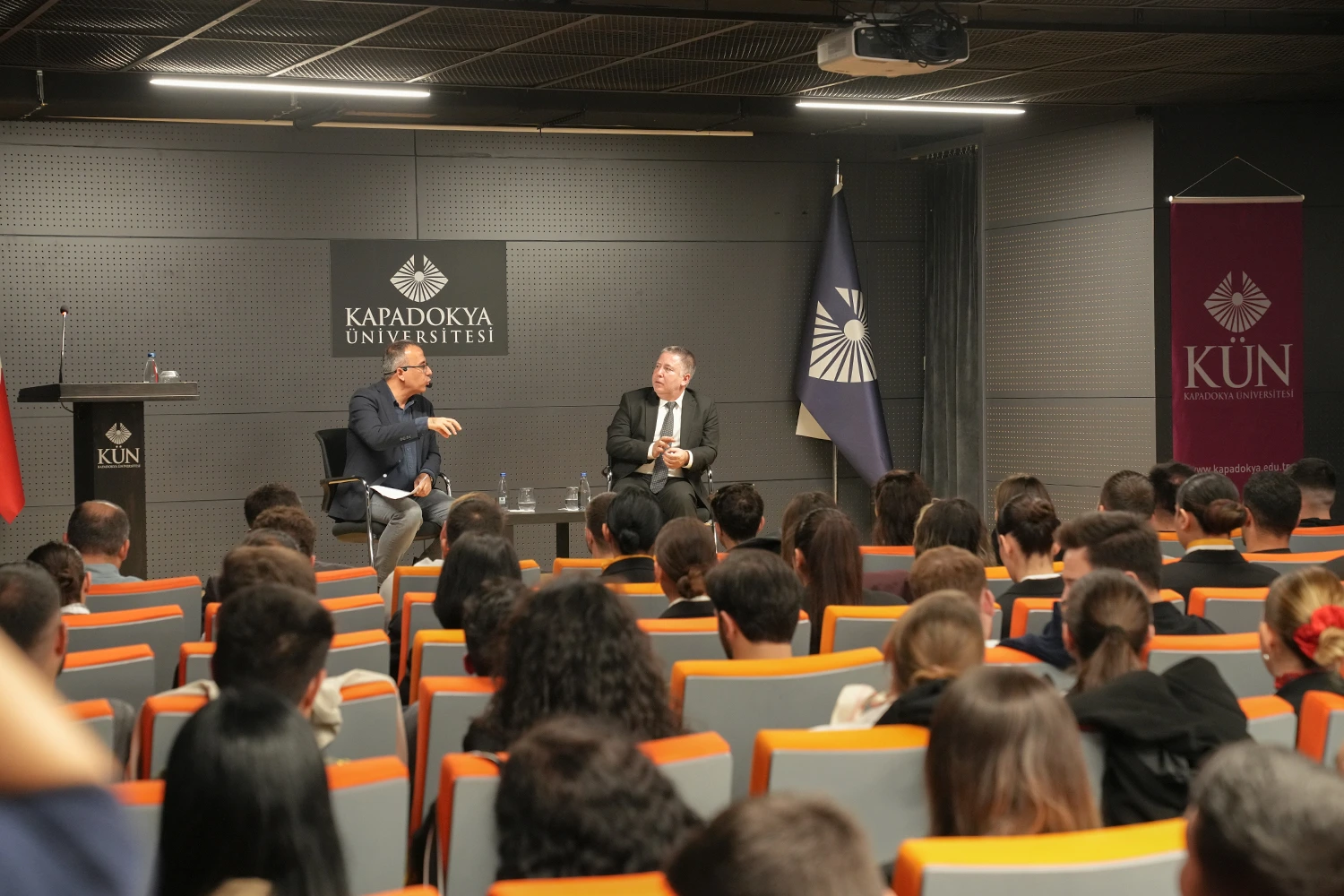
Stating that the University of Cappadocia conducts studies on monitoring sustainability data in the region, protecting natural and cultural heritage and reducing the environmental impact of tourism activities, our Rector said that the University continues to share its work in this area on different platforms.
The panel was completed with evaluations addressing the contribution of tourism to regional development while preserving Cappadocia's natural and cultural values with a sustainable, regenerative and data-driven approach.